
5starsstocks.com :
What It Offers, How It Works,
and What Users Should Check
A search for 5starsstocks.com usually comes from a simple need: quick clarity. People type 5starsstocks.com after hearing the name, seeing it mentioned in a comment, or spotting it in a screenshot. The same intent often appears in variations like 5starsstocks com, 5starsstocks .com, and 5starsstocks. com. In many cases, the searcher wants a straightforward explanation of what the site is, what type of stock content it publishes, and how the information should be handled.
This 5starsstocks.com review describes the site as a stock-content publisher that presents ratings and themed stock coverage in a format meant for scanning and browsing. It stays focused on how the site reads, how the system behind the content might be understood, and what verification steps reduce avoidable mistakes. The writing stays in third person, uses simple language, and keeps the tone modern and professional.

Our Latest Posts

Oil Prices and Energy Stocks: Spot Trends That Can Make or Break Your Portfolio
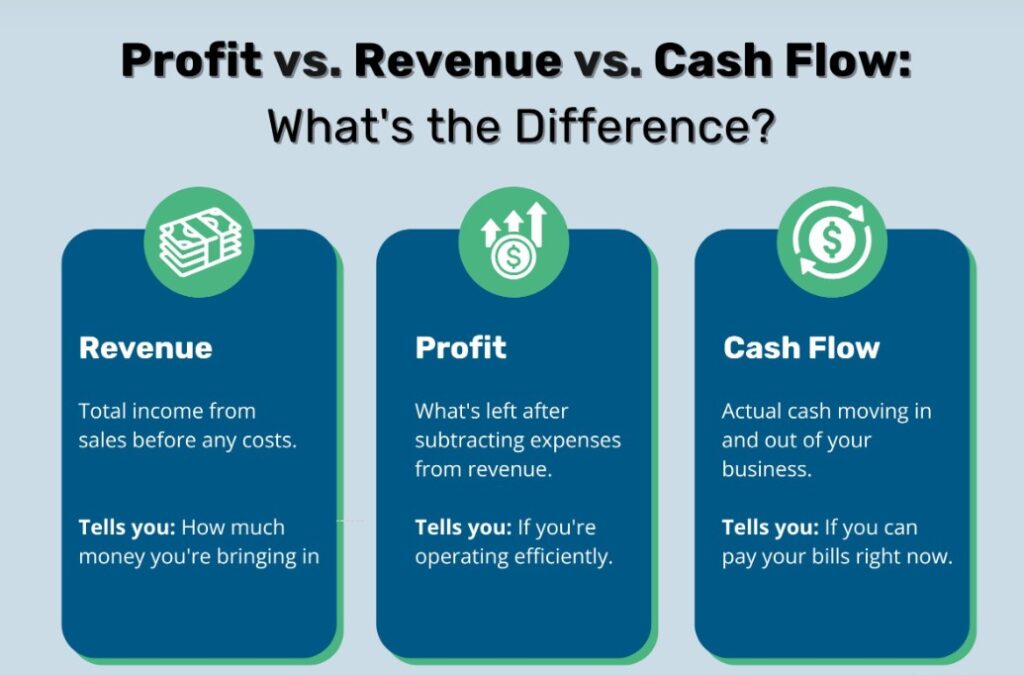
Revenue vs Profit vs Cash Flow: Spot the Numbers That Really Matter
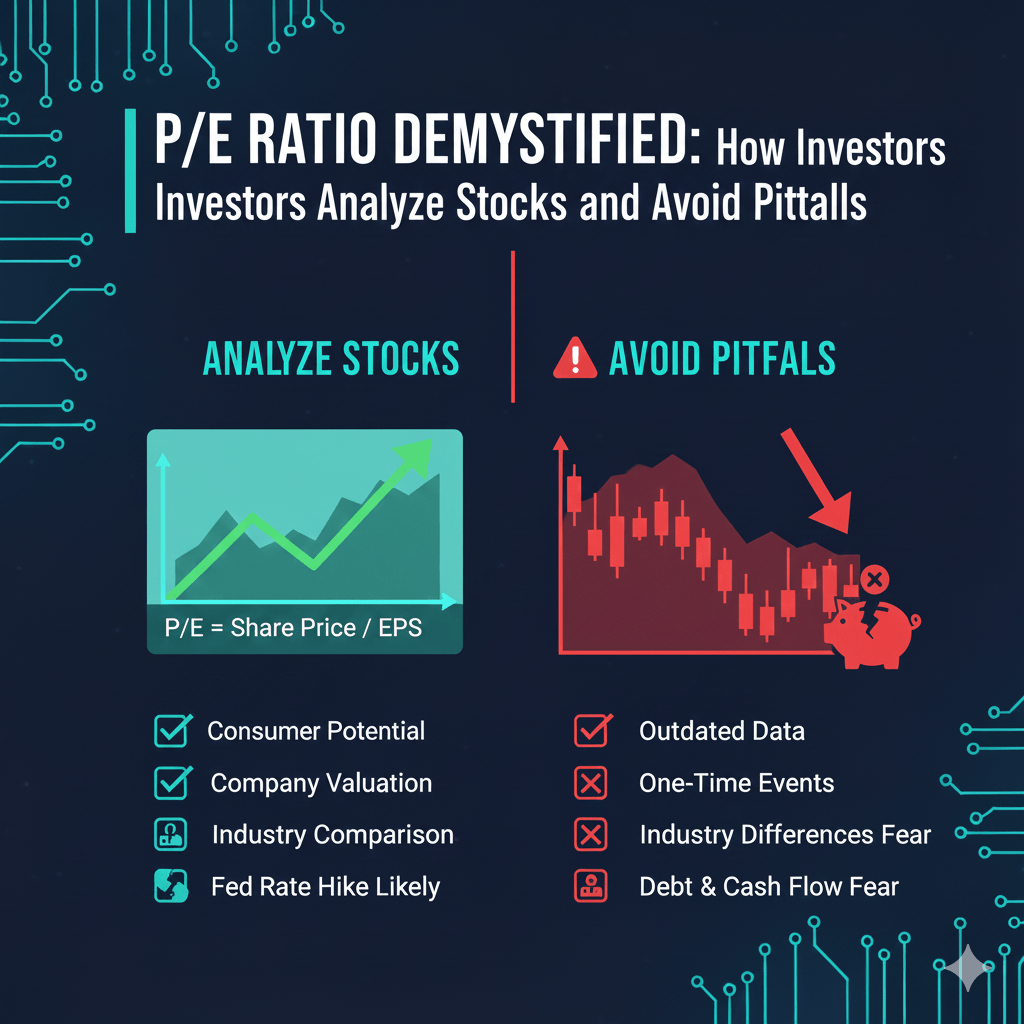
P/E Ratio Demystified: How Investors Analyze Stocks and Avoid Pitfalls

Stock Analysis: A Complete Guide to Understanding Market Movements

Free Cash Flow: How to Analyze a Company’s Financial Health

ETFs for Beginners: Tips, Strategies, and Examples
What 5starsstocks.com appears to offer
5starsstocks.com reads like a publishing site centered on stock ideas, sector themes, and short-form analysis. The layout suggests an intention to help users move fast from a broad theme into a specific post. That pattern fits readers who like a “library” feel: open a topic, skim a few headlines, pick a page, then jump back to the category list.
A reader who types 5starsstocks.com often expects a rating-style approach, since the name suggests a star system. A rating can act as a sorting tool. It can group companies into a simple hierarchy and guide attention toward what the site treats as stronger candidates. A rating can still mislead if it lacks clear rules, since a label without context turns into a badge rather than a research aid. For that reason, 5starsstocks.com is best viewed as a starting point for research notes, not as a final decision engine.
A 5starsstocks.com review that aims to inform has to explain this tension without drama. The site can be useful for idea discovery and topic browsing. The site can still require outside checks before any real money decision.

How readers move through 5starsstocks.com
5starsstocks.com looks designed for browsing through categories and themed pages. A visitor tends to follow a repeated pattern: select a theme, open an article, scan the headline and early paragraphs, then decide to continue or return to the category list. This creates a loop that can feel fast and tidy.
In practice, this browsing pattern produces two different reading styles. One style is “topic-first” reading, where the reader starts with a sector or theme and then explores related posts. The other style is “ticker-first” reading, where the reader searches a company name and lands on a post that looks like a single-stock discussion. Both styles can exist on 5starsstocks.com in the same site structure, since themed lists and single-name commentary can sit side by side.
Readers typing 5starsstocks com or 5starsstocks .com often show navigational intent, meaning the reader wants the site itself, not the concept of five-star ratings in general. That matters for content planning, since navigational searches often convert into deeper engagement if the homepage and category pages reduce friction and show clear dates.
What the star language can mean, and what it cannot mean
The star framing on 5starsstocks.com suggests a scoring system. A star system can be built from many inputs: financial statement trends, valuation comparisons, price behavior, risk flags, and sector tailwinds. The problem is not the idea of a rating. The problem appears when a rating is treated as a promise.
A careful 5starsstocks.com review treats the star label as a signpost. It points to a claim that still needs checking. A stock can earn a high label and still face debt pressure, dilution risk, fragile demand, or a valuation that prices in perfect outcomes. A stock can earn a low label and still deliver strong returns during a favorable period. Markets change. Narratives shift. A rating that is not paired with clear rule statements can drift across time.
A practical reading habit is to treat each rating as a prompt to ask a few simple questions. The questions can be written in a short letter-style note, saved with a date, then revisited after earnings. This small habit turns a rating into a workflow.
That workflow can use plain categories. The stock’s recent operating results, the company’s balance sheet, the share count trend, and the valuation story can be reviewed in a consistent order. A reader who does this reduces impulse decisions and improves consistency across a period of months.
What a careful 5starsstocks.com review checks first
A reader searching 5starsstocks.com review often wants to judge trust without spending hours. That can be done with a few signals that are visible on most publishing sites.
The first signal is identity clarity. A site that provides a clear contact route and a visible notice about content purpose usually feels safer than a site that hides behind vague language. A contact method gives users a way to report issues. It gives clients and partners a place to send a request. It gives a recipient of a suspicious message a place to verify authenticity.
The second signal is date clarity. Stock content goes stale quickly. A list page that looks recent can be old. A single post that reads clean can still refer to an outdated period. For that reason, a reader checks the date on a page and looks for recent updates. A pattern of updates suggests active maintenance. A lack of updates is not proof of low quality, though it raises caution for list pages that carry “right now” language.
The third signal is structure consistency. Consistent templates reduce confusion. A consistent layout makes it easier to compare posts and notice missing sections. A consistent template also reduces editing overhead for the team, since the same sections can be refreshed during maintenance cycles.
These checks apply to 5starsstocks.com and to searches like 5starsstocks. com or 5starsstocks com. The format of the typed name does not change the underlying reading process.

Update habits, maintenance, and what “fresh” should look like
A stock publishing site lives or dies on maintenance. A post can remain useful for a long time if it is framed as education. A watchlist ages fast, since it implies a time window. A reader who sees a watchlist wants a visible date and a clear statement of what changed in the latest update.
Maintenance is not only about new articles. Maintenance includes revisiting older posts, correcting numbers, adding a short update line, and noting why a view changed. That note can be short. It still shows discipline. It also signals that the site works as a system rather than a pile of one-off pages.
A good maintenance rhythm includes scheduled review work. A team can rotate through sectors during a set period, refreshing posts in batches. That keeps the site stable, keeps content aligned with recent reports, and avoids a build-up of outdated claims.
For a reader, the presence of visible updates can raise confidence. For a publisher, updates improve internal linking, since updated pages can link to newer posts without creating dead ends.
Security risks that sometimes lead people to search 5starsstocks.com
Some searches for 5starsstocks.com happen after a message arrives with official-sounding language. That message can look like a notice, a contract update, or a system change announcement. The message can include phrases like upgrade notification, upgrade notice, upgrade schedule, notice letter, or upgrade notification letter. It can claim an upgraded system is live and that action is required.
Many of these messages aim at sensitive data. The recipient gets pushed into a fast click, driven by impulse. The message often includes a name field, an organization/company name line, a date, and a support contact block. A letter template format is used to look formal. A fake email can mention services, service changes, system performance, system stability, and new features. It can use the language of maintenance windows and time-limited access.
A safe method for any upgrade notice is simple: the recipient types the site name directly into a browser, checks spelling, then uses the official contact route on the site. Clicking from a message is the risk. Manual entry reduces that risk.
The same trick appears in bank-themed messages. Some templates mention vietnam bank, bank agribank, agribank econtract, or national bank. A message can mention minh city to look local. A message can cite a system label like lark-16/as-15 system bank to sound internal. A message can mention total assets and administration to mimic a formal notice. None of that proves legitimacy.
Public procurement language appears in some templates as well. Terms like tender, tenders, cpv, cpv codes, public procurement domain, new tenders, contract, contract administration services, electronic contract system, and contract notice can be inserted to create an official tone. The purpose is the same: push action, collect data, then disappear.
Some templates get stranger. They may paste irrelevant phrases like multifunctional conference center, speaker system, linear array column, or even a generic software reference. The mismatch acts as a clue. Real organizations do not mix unrelated equipment language into a banking upgrade notice.
A 5starsstocks.com review that includes this security context serves a practical goal. It explains why a site name can show up inside a message that looks like an upgrade notification letter. It gives readers a safe protocol for verification. It reduces exposure to cyber threats without turning the page into fear content.

How contract and tender language fits a stock-site discussion
On the surface, tender and contract language looks unrelated to stocks. It still appears in real browsing patterns. A recipient sees a notice letter that uses procurement language and a site name. The recipient searches the name, lands on 5starsstocks.com, and wants confirmation that the message is real.
That is why a security section can mention contract administration services, electronic contract system, and cpv codes. The mention does not claim that 5starsstocks.com runs a procurement portal. The mention explains how phishing templates borrow language from administration workflows. The mention helps users separate real site content from a fake upgrade notice.
This context is not a distraction. It reflects a real pattern of how people arrive at a search query. It also fits a broader theme: any financial reading habit benefits from verification rules.
What a competing site can publish around 5starsstocks.com review searches
People searching 5starsstocks.com review want clarity, not noise. A competing site can meet that intent with a calm, factual page that explains what the site does, how content is structured, and what checks reduce risk.
A strong review page can describe the reading flow, the presence of themed pages, and the rating concept. It can explain the limits of any rating system. It can cover update behavior and date visibility. It can include a security section that addresses upgrade notice scams and letter template tricks. It can provide a contact-based verification method that avoids clicks from messages.
This type of review page can rank since it matches intent and stays specific. It also stays useful across time, since the verification steps remain stable even if site content changes.

A content blueprint that keeps the topic coverage complete
A site in this niche benefits from a clear structure that matches how readers think. A consistent “system” for content reduces confusion and reduces editing load.
One layer can focus on stock pages written with the same template every time. A reader gets the same sections on every page, which makes comparisons easier. A publisher gets predictable maintenance work.
Another layer can focus on sector pages that give context, explain common issues, and highlight what matters for that sector across a period.
Another layer can focus on watchlists that are treated as living documents. A watchlist can show a date, a short update note, and a clear reason for each inclusion. This reduces misunderstanding and reduces risk.
Another layer can focus on market notes that explain what changed, what the data shows, and what a reader should track next. These pages can support the category pages and keep the site active between larger analysis posts.
A final layer can focus on security and “reading safety” pages that teach readers how to verify sources, avoid fake upgrade notice messages, and protect data.
This blueprint stays aligned with the same theme as 5starsstocks.com. It covers stock content, site reading habits, updates, maintenance, and verification protocols.
Why the name variations matter in content
People type the site name in different ways. A page that mentions 5starsstocks.com can naturally include 5starsstocks com, 5starsstocks .com, and 5starsstocks. com. This catches misspell and spacing variations without forcing awkward text.
A careful writer uses these variations sparingly and places them in places where a reader expects them, such as an early paragraph, a short brand clarification line, and a late recap. The review remains readable. The search match improves. That keeps the content aligned with real queries.
Conclusion
This 5starsstocks.com review describes 5starsstocks.com as a stock-content publishing site that uses rating language and themed coverage to guide browsing. The site can serve as an idea source and a reading library. Real decisions still require verification steps that sit outside the page: date checks, update checks, basic financial checks, and a calm approach to risk.
The security angle matters in a practical way. Some people search 5starsstocks.com after receiving an upgrade notice that uses a letter template format. The message may mention a bank in vietnam, a contract administration line, tenders, cpv codes, or an electronic contract system. Those phrases can be part of phishing templates that target sensitive data. A safe protocol relies on manual site entry, direct contact verification, and clear security protocols inside the reader’s own habits.