What Is a Stock Buyback? When It’s Smart vs a Red Flag
A stock buyback is one of the most discussed and misunderstood corporate actions in modern markets. Headlines often celebrate large repurchase announcements as shareholder-friendly moves, while critics argue that buybacks distort incentives, inflate share prices, and even hurt workers. Searches such as stock buyback history, why are stock buybacks bad, why were stock buybacks illegal, and advantages and disadvantages of buyback of shares show how divided opinion remains.
At its simplest, a stock buyback occurs when a company uses cash to repurchase its own shares from the market. Those shares are typically retired or held as treasury stock, reducing the number of shares outstanding. That reduction changes per-share metrics, market perception, and capital allocation outcomes.
This article explains what a stock buyback is, how stock buybacks work and why they matter, and—most importantly—when a buyback is a smart use of capital versus a red flag. The discussion stays descriptive, balanced, and written entirely in the third-person perspective.
What is a stock buyback in plain terms
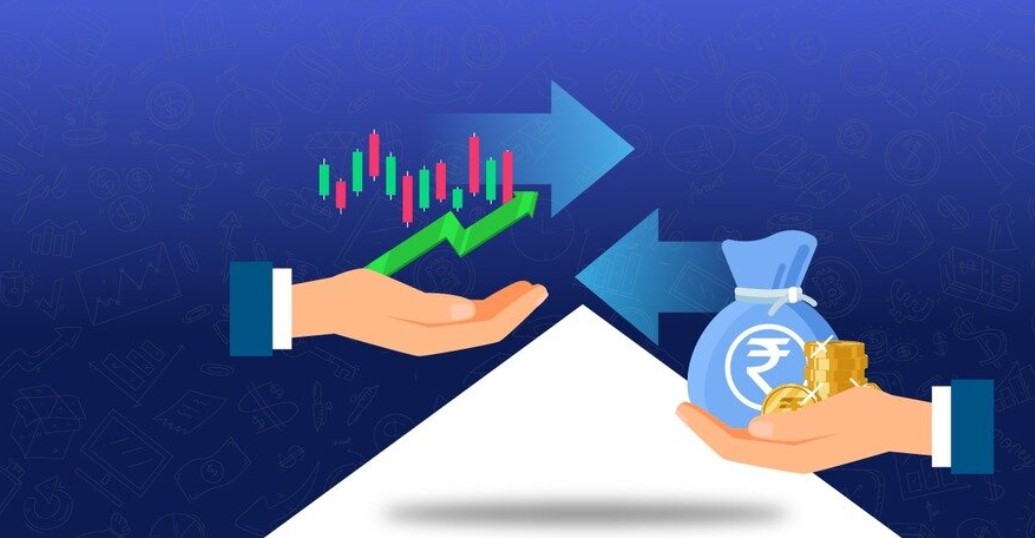
A stock buyback, also called a share repurchase, is when a company buys back its own shares using corporate cash. The shares are purchased in the open market or through structured programs and then removed from circulation or held by the company.
When shares outstanding decline, each remaining share represents a larger ownership stake in the business. This can increase earnings per share, influence valuation ratios, and affect how the market prices the stock.
A buyback does not change the company’s underlying business on its own. It changes how that business is divided among shareholders.
How stock buybacks work in practice
Stock buybacks are usually authorized by a company’s board and disclosed publicly. The authorization sets a maximum amount or number of shares that can be repurchased over a period of time.
Execution varies. Some companies buy shares steadily over months. Others act more aggressively during specific market sessions or price levels. Market data services often track repurchase activity alongside trading volume, quotes, and price changes.
Buybacks are funded from cash reserves, operating cash flow, or sometimes borrowed money. The funding source matters greatly when evaluating whether a buyback is healthy or risky.
Stock buyback history and why rules exist
Understanding stock buyback history explains why buybacks are controversial. In earlier decades, buybacks were restricted or effectively illegal in some markets because regulators feared price manipulation. The concern was that companies could artificially support stock prices by buying their own shares.
Over time, rules evolved. In the United States, clearer exchange requirements and disclosure standards were introduced to allow buybacks under defined conditions. These stock buyback rules aimed to balance flexibility for companies with protections for market integrity.
The question why were stock buybacks illegal in the past reflects this fear of manipulation rather than opposition to shareholder returns themselves.
Why companies choose buybacks instead of dividends
Companies generally return capital to shareholders through dividends or buybacks. Buybacks offer flexibility. Unlike dividends, they do not create an ongoing expectation of regular payments.
Buybacks can also be timed. Management may choose to repurchase shares when they believe the stock is undervalued. Dividends do not offer that discretion.
Tax considerations sometimes favor buybacks as well, depending on investor circumstances. This combination of flexibility and tax efficiency explains their popularity.
Advantages of buyback of shares
The advantages of buybacks are often straightforward when executed under the right conditions.
Reducing shares outstanding can improve earnings per share without changing total earnings. Buybacks can signal management confidence in the company’s value. They also allow companies to return excess cash when profitable investment opportunities are limited.
For long-term investors, disciplined buybacks at attractive prices can enhance per-share value over time.
Disadvantages of buyback of shares
The disadvantages appear when buybacks are poorly timed or poorly funded. Buying shares at inflated prices destroys value. Using debt to fund buybacks increases financial risk.
Buybacks can also crowd out productive investment. If a company prioritizes repurchases over innovation, workforce development, or long-term growth, the short-term benefit may come at a long-term cost.
This tradeoff is central to debates about buybacks.
Why are stock buybacks bad according to critics
Critics asking why are stock buybacks bad often focus on incentives. Buybacks can boost per-share metrics tied to executive compensation, encouraging short-term thinking.
There is also concern that buybacks concentrate wealth among shareholders while limiting resources for employees or long-term investment. This view fuels arguments that stock buybacks hurt workers, especially when repurchases coincide with layoffs or wage stagnation.
These criticisms are not universal, but they highlight the importance of context when evaluating buybacks.
When a stock buyback is a smart move
A buyback is generally considered smart when several conditions align. The company generates strong, recurring cash flow. The balance sheet is healthy. Shares trade at reasonable or discounted valuations. Growth investments are already well funded.
In this case, returning excess capital through buybacks can be efficient and shareholder-friendly. Many wide moat stocks with stable earnings have historically used buybacks effectively.
The key is discipline, not size.
When a stock buyback is a red flag
A buyback becomes a red flag when it masks deeper problems. Warning signs include aggressive repurchases funded by debt, buybacks executed near market peaks, or repurchases occurring alongside declining revenue or margins.
If a company relies on buybacks to prop up earnings per share while underlying performance weakens, investors should be cautious. Buybacks cannot compensate for a deteriorating business.
Stock buybacks and market perception
Markets often react positively to buyback announcements, at least initially. Headlines, news alerts, and analyst notes can amplify this reaction.
However, longer-term performance depends on execution. Market data over multi-year periods shows that buybacks add value primarily when they are opportunistic and aligned with fundamentals.
Short-term price pops do not guarantee long-term gains.
Stock buyback Nvidia as a recent example
Search interest in stock buyback Nvidia reflects how closely investors track buybacks by high-profile companies. When large, influential firms announce repurchases, markets often interpret it as a signal about confidence, cash flow strength, or valuation views.
The reaction depends on context. For a company with strong growth, pricing power, and cash generation, a buyback may reinforce a positive narrative. For others, it may raise questions about reinvestment priorities.
Stock buybacks 2026 and forward-looking debates
Looking ahead to stock buybacks 2026, debate is likely to continue. Policy discussions, tax considerations, and economic conditions will shape how companies approach capital returns.
Higher interest rates or regulatory changes could alter the attractiveness of buybacks relative to dividends or reinvestment. Investors will need to evaluate buybacks within the broader economic environment.
Buybacks versus dividends in different market cycles
In bull markets, buybacks often expand as companies generate excess cash. In downturns, buybacks may slow or pause to preserve liquidity.
Dividends tend to be steadier, while buybacks are more cyclical. This difference matters for income-focused versus total-return investors.
Understanding cycle dynamics helps interpret buyback announcements more accurately.
Stock buybacks and valuation metrics
Buybacks affect valuation metrics such as earnings per share, price-to-earnings ratios, and weighted alpha measures. These changes can make a stock appear cheaper even if total profits remain flat.
Investors should look beyond per-share optics and assess absolute earnings, cash flow, and balance sheet strength.
Market data, indexes, and buyback trends
Aggregated market data shows that buybacks tend to be concentrated among large companies and index leaders. Activity often rises when profits are strong and declines during periods of stress.
Indexes such as those tracking U.S. stocks reflect these trends, but individual outcomes vary widely.
Buybacks and long-term shareholder value
Over long horizons, buybacks can add value when aligned with fundamentals and discipline. Poorly timed or excessive buybacks can destroy value just as easily.
The long-term outcome depends less on the act of buying shares and more on the price paid and the opportunity cost of capital.
Regulatory and policy perspectives
Regulators monitor buybacks to ensure fair markets. Disclosure requirements, timing rules, and reporting standards aim to prevent manipulation.
Policy debates continue about whether additional limits or taxes should apply. These discussions influence investor sentiment and corporate behavior.
How investors should evaluate a buyback announcement
Investors benefit from asking consistent questions. Is the company financially strong? Is the stock reasonably valued? Are growth investments adequately funded? Is debt increasing?
Answering these questions helps distinguish smart buybacks from red flags.
Common misconceptions about stock buybacks
One misconception is that buybacks automatically benefit shareholders. Another is that buybacks are inherently harmful. Reality sits between these extremes.
Buybacks are tools. Like any tool, outcomes depend on how they are used.
Conclusion: when buybacks create value vs destroy it
Stock Buyback programs are neither inherently good nor inherently bad. They can enhance shareholder value when executed with discipline, transparency, and sound judgment. They become red flags when used to mask weak performance or prioritize short-term optics over long-term health.
Understanding how stock buybacks work and why they matter, along with the advantages and disadvantages of buyback of shares, allows investors to judge buybacks on substance rather than headlines. In the end, price paid, funding source, and opportunity cost determine whether a buyback is smart or a warning sign.