
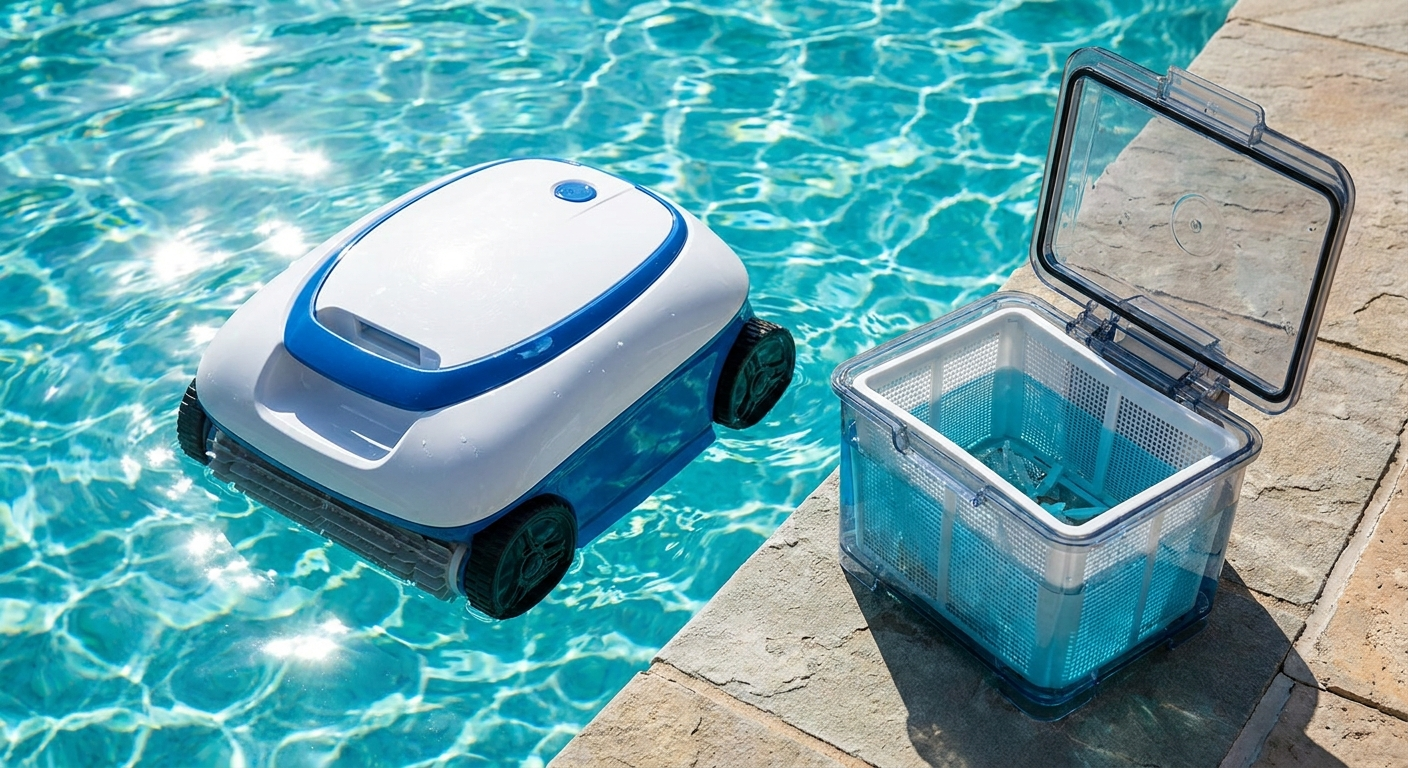
How to Troubleshoot and Maintain Your Cordless Robotic Pool Cleaner
A cordless robotic pool cleaner simplifies pool maintenance by handling the heavy lifting for you.
It scrubs floors, climbs walls, and captures debris without requiring hoses or booster pumps.
However, even the most reliable devices can encounter issues over time.
Understanding how to diagnose and fix common problems will keep your cleaner running efficiently and extend its lifespan.
The first step in troubleshooting is always the simplest: check the power supply. For cordless models, ensure the battery is fully charged.
A drained or partially charged battery is the most common reason a unit fails to start.
If the cleaner powers on but behaves erratically, inspect the charging cable and connectors for dirt or damage.
Keeping the charging contacts clean ensures proper energy transfer each time you dock the unit.
A clogged filter is another frequent culprit.
When the filter basket becomes full of leaves, twigs, or fine debris, water flow is restricted.
Without adequate flow, the cleaner cannot generate the suction needed for movement or effective cleaning.
After every cleaning cycle, remove the filter basket and rinse it thoroughly with a garden hose.
Avoid using a pressure washer, as the strong spray can damage the filter material. A clean filter restores performance immediately in most cases.
Common Movement Problems and Fixes
If your cleaner has power but is not moving, something is likely blocking its moving parts.
The impeller, a small fan-like component that pulls water through the unit, can become jammed by tiny objects such as leaf stems or small stones.
With the device turned off and unplugged, locate the impeller and gently spin it by hand.
If it does not rotate freely, carefully remove any visible debris.Wheels and tracks are also vulnerable to tangles.
Hair, string, and synthetic fibers can wrap around the axles, preventing smooth rotation.
Inspect both sides of the unit and cut away any material caught around the wheels or tracks.
After clearing the obstruction, test that all wheels spin freely before returning the cleaner to the pool.
Why Your Cleaner Is Not Climbing Walls
Poor wall climbing usually points to three causes. First, check the filter.
Strong suction is essential for gripping vertical surfaces, and a dirty filter reduces that suction. Second, examine the brushes.
Worn or flattened bristles cannot grip smooth pool walls effectively.
Finally, if the pool has an algae build-up, the walls become too slippery for the robot to climb.
In that case, brush and treat the walls manually before running the cleaner again.
When the Cleaner Moves in Circles
A cordless cleaner moving in circles often has a blocked wheel or track on one side.
A small rock or twig can lodge under the housing, forcing the robot to pivot around the obstruction.
Lift the cleaner out of the water and check both wheel wells thoroughly.
Remove any debris and confirm that both drive mechanisms operate freely. This simple inspection usually resolves the issue.
Proactive Maintenance to Prevent Problems
Spending a few minutes on maintenance after each use prevents most common issues.
Rinse the cleaner with fresh water to remove chlorine, salt, and other chemicals that can corrode components over time.
Store the unit in a shaded, dry area away from direct sunlight and extreme temperatures.
Never leave the robot submerged in the pool when not in use, as continuous exposure to chemicals will gradually damage seals and electronics.
Check the brushes and tracks weekly for signs of wear. Replace worn brushes promptly to maintain cleaning performance.
Inspect the power cable monthly for cracks or fraying, even though cordless models have fewer cable-related risks.
Keeping the unit clean and dry after every cycle is the simplest way to ensure reliable operation.
Understanding Your Warranty Coverage
Most mechanical issues can be resolved with routine maintenance, but internal failures require professional attention.
If the cleaner still malfunctions after you have cleaned the filter, cleared blockages, and inspected the wheels, the problem may involve the motor, battery, or control board.
Attempting DIY repairs on these components can void the warranty and cause further damage.
A strong warranty provides peace of mind when problems arise.
To learn which features and warranty options best suit your pool, consult the iGarden robotic cleaner expert resource.
This comprehensive guide helps you compare models, understand battery life requirements, and choose a cleaner that matches your pool size and usage patterns.
Final Thoughts
Most robotic pool cleaner failures stem from three simple causes: power issues, dirty filters, or physical blockages.
By checking these areas first, you can resolve the majority of problems without calling for service.
Regular maintenance after each use—rinsing, cleaning the filter, and inspecting moving parts—keeps your device running smoothly year after year.
A well-maintained cordless cleaner saves you hours of manual work and helps keep your pool water crystal clear. With a little routine care, you can enjoy a spotless pool with minimal effort throughout the swimming season.