
Fed Rate Decisions: What They Usually Do to Markets
Few economic events move financial markets as consistently as Fed rate decisions. When investors search for Fed rate decisions today, Fed rate decisions live, or current Fed rate, they are usually trying to understand why markets are moving or what might happen next. Interest rates influence borrowing costs, asset prices, currency values, and confidence across the entire financial system.
Fed rate decisions are not only about a single number. They reflect how the Federal Reserve views inflation, employment, financial stability, and risks to the U.S. economy. Even when rates stay unchanged, the language in the statement and the tone of the press conference can shift market expectations.
This article explains Fed Rate Decisions, how they are made, what they usually do to markets, and why traders and long-term investors track them so closely. Everything is written in the third-person perspective and focuses on understanding market behavior rather than short-term speculation.
What Fed rate decisions actually are
Fed rate decisions are outcomes of meetings held by the Federal Open Market Committee, often referred to as the FOMC. This committee is part of the Federal Reserve System, the central bank of the United States.
At each meeting, the committee reviews economic data, financial conditions, and risks to decide whether to adjust the target range for the federal funds rate. This rate influences how banks lend to one another overnight and serves as the foundation for interest rates throughout the economy.
When people refer to the United States Fed Funds Interest Rate or the Effective Federal Funds Rate, they are usually describing the rate influenced by these decisions.
The role of the Federal Reserve System
The Federal Reserve System is designed to support maximum employment, stable prices, and a stable financial system. The Federal Reserve Board, made up of governors, oversees policy along with regional Federal Reserve banks.
Fed rate decisions are one of the most visible tools used to pursue these goals. By raising or lowering interest rates, the Fed can slow down or stimulate economic activity.
This structure helps explain why Fed decisions affect everything from mortgages and loans to stock prices and currency markets.
How the FOMC makes rate decisions
Before each decision, the FOMC reviews a wide range of data. This includes inflation measures, employment reports, consumer spending, housing activity, and financial market conditions.
The committee also considers risks such as financial instability, global economic pressures, and stresses in the banking system. These discussions take place during scheduled meetings, often referred to as FOMC meetings.
After deliberation, the committee votes on whether to change the target range for the federal funds rate or leave it unchanged.
Federal Reserve issues FOMC statement: why words matter
After every meeting, the Federal Reserve issues an FOMC statement. This document explains the decision and provides insight into how policymakers see the economy.
Markets often react as much to the wording of the statement as to the rate decision itself. Small changes in language about inflation, growth, or risks can signal future actions.
This is why searches like Fed rate decisions today live are common. Investors want to see not just the decision, but the explanation behind it.
Current Fed rate and market expectations
The current Fed rate sets the baseline for market expectations. Investors compare every new decision to what markets already expect.
If the Fed raises rates when markets expect no change, prices can move sharply. If the Fed holds rates steady but signals future cuts or hikes, markets may react even without an immediate change.
Expectations often matter more than the decision itself.
Fed interest rates chart and historical perspective
Looking at a Fed interest rates chart helps put decisions in context. Over decades, rates have moved through cycles of tightening and easing.
The Fed rate history shows periods of very high rates during inflationary crises and near-zero rates during recessions or financial stress. Markets behave differently depending on where rates sit within this long-term range.
Understanding this history helps investors avoid overreacting to single decisions.
When is the next Fed interest rate decision today
Questions such as when is the next Fed interest rate decision today highlight how closely markets follow the Fed calendar. Scheduled meetings are known well in advance and are listed on official websites tied to secure .gov domains.
Markets often position themselves ahead of these meetings, leading to increased volatility before decisions are announced.
Fed rate decisions and the stock market
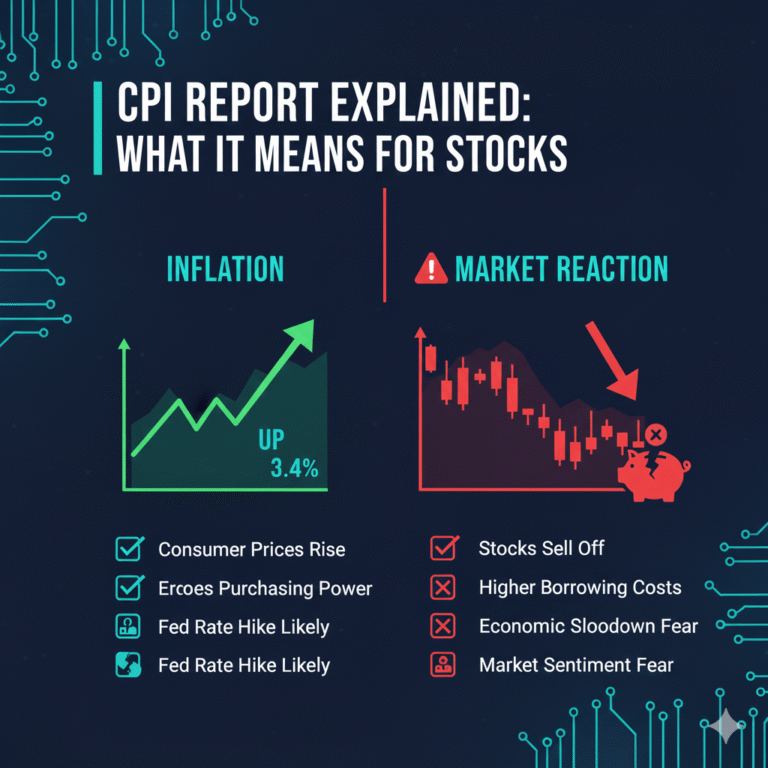
Stock markets respond to Fed rate decisions because interest rates influence valuations and earnings expectations.
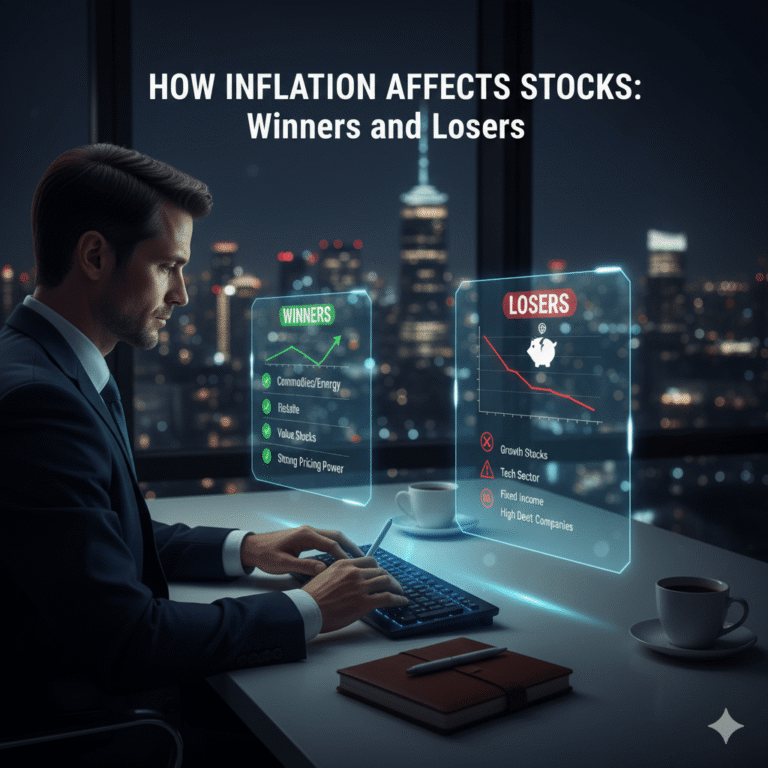
Lower rates tend to support higher stock valuations by reducing discount rates and borrowing costs. Higher rates can pressure stocks by increasing financing costs and making bonds more attractive relative to equities.
However, market reaction depends on context. A rate hike during strong economic growth may be interpreted differently than a rate hike during economic weakness.
Fed rate decisions and bond markets
Bond markets are directly affected by Fed rate decisions. Changes in the federal funds rate influence yields across short-term and long-term bonds.
When the Fed signals higher rates, bond prices often fall and yields rise. When the Fed signals easing, bond prices tend to rise.
Bond market reactions often feed into equity and currency markets, amplifying overall movement.
Fed rate decisions and the U.S. economy
Fed rate decisions are designed to influence the broader U.S. economy. Higher rates can slow borrowing, reduce spending, and cool inflation. Lower rates can encourage lending, investment, and consumption.
These effects take time. Markets react immediately, but economic outcomes may unfold over months or years.
This lag explains why markets sometimes move ahead of actual economic changes.
Financial stability and Fed decisions
Beyond inflation and employment, the Fed also considers financial stability. Stress in banks, payment systems, or financial market utilities can influence decisions.
During periods of financial strain, the Fed may pause or reverse rate hikes to protect the system, even if inflation remains elevated.
This balancing act is one reason Fed decisions can surprise markets.
Fed rate decisions live: why volatility spikes
During Fed rate decisions live events, volatility often increases across markets. Traders react in real time to headlines, statements, and press conferences.
Initial moves are sometimes reversed as participants digest details. This pattern shows why knee-jerk reactions can be misleading.
Longer-term investors often focus on trends rather than immediate price swings.
Fed rate decisions 2026 and long-term planning
Looking ahead to Fed rate decisions 2026, investors try to anticipate where rates might settle over the long run. Long-term planning often depends on whether rates are expected to normalize, remain elevated, or decline.
These expectations influence investment strategies, sector preferences, and asset allocation decisions well before 2026 arrives.
Effective Federal Funds Rate explained simply
The Effective Federal Funds Rate represents the actual rate at which banks lend reserve balances overnight. It usually trades within the target range set by the Fed.
Tracking this rate helps confirm how policy is transmitted through the banking system.
United States Fed Funds Interest Rate and global markets
Because the United States plays a central role in global finance, Fed rate decisions affect markets worldwide. Higher U.S. rates can strengthen the dollar and influence capital flows.
Global investors watch Fed decisions closely, often adjusting positions across currencies, commodities, and emerging markets.
Why markets sometimes react unexpectedly
Markets do not always react as expected to Fed decisions. This happens when outcomes differ from expectations or when new information changes the outlook.
A rate cut may fail to boost markets if it signals economic trouble. A rate hike may be welcomed if it reflects confidence in growth.
Understanding expectations helps explain these seemingly contradictory reactions.
Fed tools beyond interest rates
While rate decisions get the most attention, the Fed also uses other tools. These include balance sheet policies, regulatory actions, and supervision of banks.
Markets sometimes react to these measures even more strongly than to rate changes.
Media coverage and Fed decisions
Media coverage plays a role in shaping perceptions. Headlines often simplify complex decisions, focusing on the rate change rather than the reasoning.
Investors who read the full statement and consider context tend to interpret decisions more accurately.
How investors usually respond to Fed rate decisions
Short-term traders often focus on immediate price movement. Long-term investors focus on how decisions affect economic trends, earnings, and valuations.
Understanding this difference helps explain why markets may move sharply in the short run but settle into longer-term trends afterward.
Common misconceptions about Fed rate decisions
One common misconception is that rate cuts always boost markets and rate hikes always hurt them. Reality is more nuanced.
Another misconception is that the Fed controls the economy precisely. In practice, policy works with delays and uncertainty.
Recognizing these limits leads to more realistic expectations.
Using Fed decisions in an investment framework
Fed rate decisions should be viewed as part of a broader framework. They provide signals about economic conditions, but they do not replace fundamental analysis.
Investors often combine Fed insights with earnings trends, inflation data, and valuation metrics.
Long-term view of Fed rate cycles
Over time, rate cycles repeat. Periods of tightening are followed by easing, shaped by economic conditions.
Understanding these cycles helps investors remain patient and avoid emotional reactions.
Conclusion: what Fed rate decisions usually do to markets
Fed Rate Decisions influence markets by shaping expectations about growth, inflation, and financial stability. They affect stocks, bonds, currencies, and global capital flows.
Markets react not just to the decision itself, but to how it compares with expectations and what it signals about the future. By understanding how Fed decisions are made and why they matter, investors can interpret market moves with greater clarity and confidence.