
How to Read an Earnings Report (Earnings Recap Template + Market Reaction)
Understanding how to read an earnings report is one of the most valuable skills in investing. Earnings reports are the primary way companies explain what happened in their business during a quarter and what they expect next. Yet many investors still feel confused when they open a report, see pages of numbers, and struggle to understand what those results actually mean for stocks.
Searches such as How to read an earnings report quarterly, How to read quarterly results of a company, How to read earnings report reddit, and What do earnings reports mean for stocks all point to the same problem. People want a clear, structured way to read earnings without feeling overwhelmed. Earnings reports are not written only for analysts or institutions. They are meant to communicate a stock story, but they require the right reading approach.
This guide explains how to read an earnings report step by step, how to understand quarterly results, how market reaction works, and how to use practical tools like a quarterly earnings recap template in Word, Excel, or PowerPoint. Everything is written in third-person and designed to be clear, practical, and reusable across companies and years.
What an earnings report is and why it exists
An earnings report is a financial document released by a company to summarize performance over a specific quarter. Public companies in the United States typically report earnings four times a year. These quarterly results are closely watched by the market because they show whether a company is growing, stable, or declining.
Earnings reports usually include revenue, net profit, operating results, and commentary from management. They also often include comparisons to the same quarter last year and explanations of what changed.
For investors, earnings reports act like a progress report. Just as students are evaluated on reading skills or comprehension over time, companies are evaluated on financial performance. The report is not only about numbers. It is about whether the business is improving, losing momentum, or facing a serious problem.
How to know when companies report earnings
Before learning how to read an earnings report, timing matters. Many investors miss reports simply because they do not know when companies report earnings.
Companies announce earnings dates in advance, and these dates are listed on earnings calendars. These calendars show the company name, stock symbol, reporting date, and whether the report is released before the market opens or after it closes.
Knowing when companies report earnings helps investors prepare. It also prevents confusion when prices move suddenly. If a stock drops or rises sharply, checking whether earnings were released that day often explains the move.
This step is essential for anyone who wants to read earnings reports consistently rather than react after the fact.
How to read an earnings report quarterly: the right mindset
Learning how to read an earnings report quarterly requires a mindset shift. The goal is not to predict short-term price movement. The goal is to understand the business.
Many beginners focus only on whether earnings beat or missed expectations. While expectations matter, they are only part of the story. A company can beat expectations and still weaken long-term. Another company can miss expectations but improve fundamentals.
Reading an earnings report is closer to reading a detailed report than scanning headlines. It requires patience, comparison, and context.
The structure of a typical quarterly earnings report
Most earnings reports follow a similar structure, regardless of industry.
The first part usually includes a headline summary with key figures like revenue and net profit. This is followed by a more detailed income statement, balance sheet highlights, and cash flow information. Management commentary often explains results in plain language. Some reports also include forward-looking guidance.
Understanding this structure helps readers know where to look and in what order.
Revenue: understanding the top line
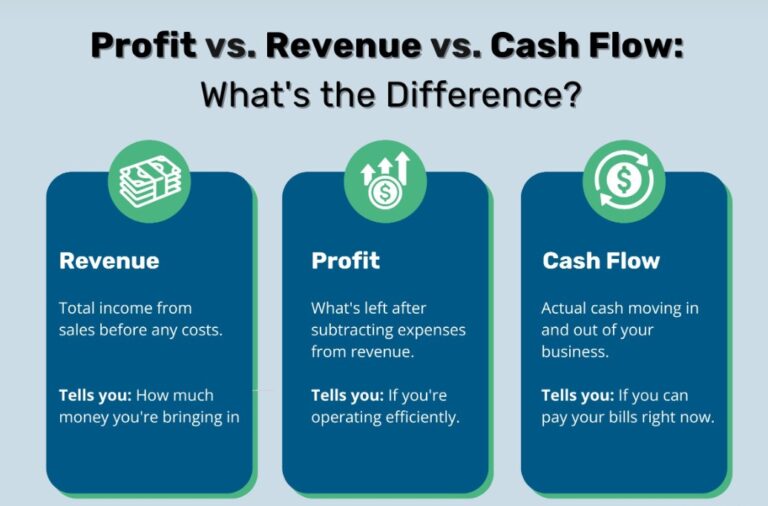
Revenue is the total money a company brings in during the quarter. It is usually the first number mentioned in earnings coverage, but it should never be read alone.
When reading revenue, the key questions are: Did revenue grow or shrink compared to the same quarter last year? What caused that change? Was growth driven by higher demand, higher prices, or acquisitions?
For tech companies, revenue may be linked to products such as silicon chips, data centers, or software services. For companies like Nvidia or other chip-related firms, revenue trends often reflect demand for silicon chip technology or newer developments such as gallium-nitride technology.
Revenue growth that is steady over several years usually signals strength. One-time spikes require caution.
Net profit and earnings: what the company kept
Net profit shows how much money the company kept after all costs. This is the core of earnings.
When reading net profit, investors should compare it to revenue. Rising revenue with falling profit can indicate cost pressure. Rising profit with flat revenue can indicate cost cutting or operational efficiency.
Net profit should also be compared to the same quarter last year. This comparison shows whether profitability is improving or declining over time.
Understanding net profit helps explain why a stock reacts positively or negatively after earnings.
Cash flow: confirming earnings are real
Cash flow is one of the most important parts of an earnings report, yet many readers skip it. Cash flow shows whether earnings are backed by real money moving into the business.
A company can report earnings but still struggle if customers are slow to pay or if inventory builds up. Cash flow helps reveal these issues.
Strong cash flow supports long-term investment. Weak or inconsistent cash flow raises questions about earnings quality.
Balance sheet: financial strength and risk
The balance sheet shows what a company owns and owes. It provides insight into financial stability.
When reading the balance sheet, attention should be paid to debt levels, cash reserves, and changes compared to previous quarters. A company with growing debt and shrinking cash may face challenges even if earnings look good.
This part of the report often explains why some stocks fall after earnings despite solid profit numbers.
How to read bank earnings
Learning how to read bank earnings requires special attention. Banks operate differently from tech or manufacturing companies.
For banks, earnings are heavily influenced by interest income, loan growth, and credit quality. Investors should look at loan performance, provisions for losses, and capital levels.
Bank earnings reports often provide clues about the broader economy. Rising loan losses or slowing lending can signal wider market issues.
How to read quarterly results of a company in context
Quarterly results should always be read in context. One quarter rarely defines a company’s future.
Comparing results across several quarters helps identify trends. Looking back over the last decade can reveal whether a company consistently improves or struggles through cycles.
This approach prevents overreaction to short-term results and improves long-term decision-making.
What do earnings reports mean for stocks
Earnings reports influence stocks because they update the market’s understanding of a company’s value.
Stock prices reflect expectations about the future. When earnings confirm those expectations, prices may stay stable. When earnings challenge expectations, prices adjust.
Market reaction is not only about whether results are good or bad. It is about whether they are better or worse than expected and whether guidance changes the outlook.
Understanding this dynamic helps investors avoid confusion when a stock drops after “good” earnings or rises after “bad” ones.
Market reaction: why prices move after earnings
Market reaction often occurs quickly. Prices can change within minutes of an earnings release.
Several factors influence reaction. These include revenue surprises, margin changes, guidance updates, and broader market sentiment. In some cases, catalyst cash-outs occur when traders sell after a strong run-up.
Understanding market reaction requires separating emotional movement from fundamental change. Earnings reports provide the data needed to make that distinction.
Quarterly earnings report example: how to break it down
A quarterly earnings report example helps clarify the process.
First, revenue is compared to last year. Next, net profit and margins are reviewed. Cash flow is checked to confirm earnings quality. The balance sheet is reviewed for risk. Finally, guidance is read to understand future expectations.
Following the same steps every time builds confidence and reduces mistakes.
Using an earnings recap template
An earnings recap template helps summarize key points after reading a report. It turns raw data into structured notes.
A quarterly earnings recap template usually includes sections for revenue, profit, cash flow, balance sheet, and guidance. Writing a recap forces clarity and improves retention.
Many investors prefer different formats depending on workflow.
Earnings recap template Word
A Word template works well for written summaries. It allows detailed explanation and commentary. This format is useful for long-term investors who track companies over years.
Earnings recap template Excel and financial report template Excel
Excel templates are ideal for tracking numbers. They allow comparisons across quarters, years, and companies. A financial report template Excel format helps visualize trends and calculate changes.
Earnings recap template PowerPoint
PowerPoint templates are useful for presentations or portfolio reviews. They summarize key insights visually and work well for investment discussions.
Earnings recap template free and customization
Many earnings recap templates are available free, but the best templates are customized. A template should reflect what matters most to the investor, not generic metrics.
How to read earnings report reddit and common confusion
Discussions about how to read earnings report reddit often reveal common confusion. Many people focus too much on single metrics or price movement.
These discussions show the need for a structured approach. An earnings checklist and recap template reduce confusion and improve consistency.
Technology companies and earnings interpretation
Tech companies often require extra attention. Revenue may be tied to chips, cloud services, or patented technology. Companies working on silicon chip development or gallium-nitride breakthroughs may show uneven results due to investment cycles.
Understanding tech earnings requires patience and long-term perspective.
Earnings reports and long-term investing
For long-term investors, earnings reports are checkpoints, not verdicts. They show progress, not perfection.
Using the same method to read earnings over time builds understanding and confidence. It also improves decision-making when buying, holding, or selling stocks.
Conclusion: mastering how to read an earnings report
Learning How to Read an Earnings Report is a foundational investment skill. It transforms earnings from confusing data into meaningful insight. By understanding revenue, profit, cash flow, balance sheet strength, and guidance, investors gain clarity on what quarterly results really mean for stocks.
Using tools like an earnings recap template and applying the same process every quarter reduces mistakes and emotional reactions. Over time, this discipline becomes one of the most valuable skills an investor can develop.