
Margin Expansion: Why Investors Care and How to Track It
Revenue growth often attracts the most attention in financial headlines, but experienced investors know that revenue alone does not determine long-term success. What truly separates strong businesses from average ones is how much profit they are able to keep from their sales. This is where margin expansion becomes important. Margin expansion reflects improving efficiency, stronger pricing power, and better control over costs, all of which influence long-term value.
Many investors search for explanations around what is margin expansion, profit margin expansion, or multiple expansion because they notice stocks rising even when sales growth slows. In many of these cases, margins are improving quietly in the background. Understanding margin expansion helps investors interpret earnings reports, assess management quality, and judge whether growth is sustainable.
This article explains margin expansion in a detailed and practical way. It covers margin meaning, real-world examples, formulas, how margins expand across different industries, and how investors can track margin expansion over time without relying on shortcuts.
Margin meaning and why it matters in business analysis
Margin, in business terms, represents the portion of revenue that remains after costs are deducted. It answers a simple but powerful question: how much profit does a company make from each unit of sales?
Margins are usually expressed as percentages, which allows comparison across companies of different sizes. A company with higher margins generally has more flexibility, stronger pricing power, or better cost control. Low margins often indicate intense competition, high operating costs, or limited differentiation.
For investors, margin meaning goes beyond accounting. Margins reveal how a company competes, how efficiently it operates, and how resilient it may be during economic stress.
What is margin expansion in practical terms
Margin expansion occurs when a company increases its margins over time. This means that the company is generating more profit from the same or growing level of revenue.
Margin expansion can occur even when revenue growth is modest. A business does not need explosive sales growth to improve profitability. By managing costs, refining operations, or improving pricing, it can increase margins and overall profit.
Understanding what is margin expansion helps investors avoid overemphasizing sales growth while ignoring efficiency improvements that often drive long-term performance.
Margin expansion example that shows real impact
A clear margin expansion example helps make the concept concrete. Imagine a business that earns 10 percent operating profit on its sales. Over several years, management improves supply chain efficiency, reduces waste, and gains modest pricing power. As a result, operating profit margin rises to 18 percent.
Even if revenue only grows slightly during that period, profit grows much faster because the company is keeping more money from each sale. Investors often reward this improvement because it signals better execution and stronger competitive positioning.
This type of profit margin expansion is one of the most reliable drivers of long-term shareholder returns.
Profit margin expansion versus revenue growth
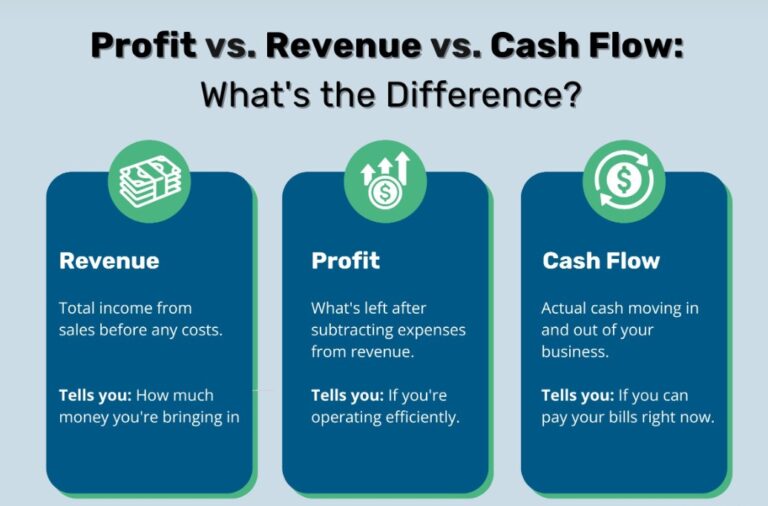
Revenue growth and profit margin expansion are related but distinct forces. Revenue growth measures how fast sales increase. Profit margin expansion measures how efficiently sales are converted into profit.
A company can grow revenue rapidly but fail to expand margins if costs rise just as quickly. In contrast, a company with flat revenue can still improve earnings through margin expansion.
Investors often prefer businesses that achieve both revenue growth and margin expansion, but when choosing between the two, margin expansion is often more durable. It reflects internal discipline rather than external demand alone.
Types of margins where expansion can occur
Margin expansion can appear at different levels of a company’s financial statements, and each level tells a different story.
Gross margin expansion usually reflects improved pricing, lower production costs, or better sourcing. It often signals a competitive advantage or operational improvement.
Operating profit margin expansion shows how well management controls operating expenses such as marketing, administration, and research. Expansion here often comes from scale benefits or process optimization.
Net profit margin expansion reflects the combined impact of operations, financing, and taxes. While useful, it requires careful interpretation because it may include factors unrelated to core business performance.
Understanding where margin expansion occurs helps investors identify its true drivers.
Margin expansion formula and how investors calculate it
The margin expansion formula itself is simple. First, margin is calculated by dividing profit by revenue. Then margins from different periods are compared.
For example, if net profit margin rises from 8 percent to 12 percent, margin expansion equals four percentage points. Investors often track this change over several quarters or years to assess sustainability.
Margin calculators, profit margin calculators, and simple spreadsheets make this process straightforward. The key is consistency in calculation and comparison.
Why investors care so much about margin expansion
Investors care about margin expansion because it often leads to higher returns with lower risk. Expanding margins improve cash flow, increase financial flexibility, and create room for reinvestment or shareholder returns.
Companies with expanding margins can absorb cost shocks, withstand pricing pressure, and navigate downturns more effectively. This resilience is valuable, especially during periods of economic uncertainty.
Margin expansion also influences valuation, as markets tend to reward companies that demonstrate improving efficiency.
Multiple expansion and its link to margins
Multiple expansion refers to an increase in valuation multiples, such as price-to-earnings ratios. Margin expansion often contributes to multiple expansion.
When margins rise, earnings grow faster than revenue. If investors believe those margins are sustainable, they may assign higher valuation multiples. This combination of rising earnings and expanding multiples can significantly boost stock prices.
However, multiple expansion depends on credibility. Temporary margin improvements rarely justify higher valuations unless investors trust the underlying drivers.
Cost control as a driver of margin expansion
Cost control is one of the most common drivers of margin expansion. Reducing operating expenses, improving procurement, or optimizing logistics can all increase margins without harming revenue.
For example, a company that automates certain processes may lower labor costs while maintaining output. This efficiency directly improves profit margins.
Investors examine cost reductions carefully. Sustainable margin expansion comes from efficiency gains, not from underinvestment or short-term cuts that damage long-term prospects.
Pricing power and its role in margin expansion
Pricing power allows companies to raise prices without losing customers. This is one of the strongest drivers of margin expansion.
Businesses with strong brands, unique products, or limited competition often enjoy pricing power. When prices increase faster than costs, profit margins expand naturally.
Investors closely monitor pricing trends because they reveal competitive strength and customer loyalty.
Scale, operating leverage, and margin expansion
As companies grow, fixed costs are spread over a larger revenue base. This creates operating leverage, which can drive margin expansion.
Technology and service companies often benefit from this effect. Once core systems are built, additional sales generate high incremental profit.
Operating leverage can amplify results in both directions. During downturns, margins may compress quickly if revenue falls. Understanding this dynamic is essential when evaluating margin trends.
Industry differences in margin expansion
Margin expansion looks different across industries. High-margin sectors such as software or professional services have different benchmarks than low-margin industries like retail or manufacturing.
In low-margin industries, even small margin improvements can be meaningful. In high-margin industries, maintaining margins may matter more than expanding them further.
Investors evaluate margin expansion relative to industry norms rather than absolute levels.
Margin expansion and cash flow alignment
Margin expansion often leads to improved cash flow, but the relationship is not automatic. Capital expenditures, working capital needs, and financing costs can affect cash generation.
Investors confirm margin expansion by checking whether operating cash flow improves alongside margins. Alignment between the two increases confidence that margin gains are real and sustainable.
Risks and false signals in margin expansion
Not all margin expansion is positive. Margins may expand due to temporary factors such as delayed expenses, favorable currency movements, or one-time gains.
Investors assess whether margin expansion is repeatable. Sustainable expansion usually comes from structural improvements, while temporary gains often reverse.
Recognizing false signals helps avoid overpaying for short-lived improvements.
Tracking margin expansion over time
Margin expansion should be tracked consistently over multiple periods. One quarter rarely tells the full story.
Investors often review margins quarterly and annually, comparing them to historical averages and peer performance. Visual tools such as spreadsheets or charts help identify trends.
Long-term margin expansion carries more weight than short-term fluctuations.
Margin expansion and long-term value creation
Over long periods, companies that consistently expand margins tend to outperform. They generate more profit per unit of revenue, reinvest more effectively, and build stronger competitive positions.
Margin expansion reflects discipline, operational strength, and strategic clarity. These qualities support long-term value creation more reliably than short bursts of revenue growth.
Common misunderstandings about margin expansion
One common misunderstanding is that margin expansion always requires price increases. In reality, efficiency improvements and scale effects often drive margins higher.
Another misunderstanding is that margins must expand indefinitely. In practice, margins stabilize once a business reaches maturity. At that stage, maintaining margins becomes the goal.
Understanding these realities leads to more realistic expectations.
Margin expansion versus markup explained simply
Margin and markup are related but different concepts. Markup measures how much price exceeds cost as a percentage of cost. Margin measures profit as a percentage of revenue.
Margin expansion focuses on profitability from the investor’s perspective. That is why investors emphasize margins rather than markup when evaluating businesses.
Practical approach investors use to analyze margin expansion
Investors begin by identifying which margin is expanding and why. They then examine cost structure, pricing trends, and scale effects.
Comparisons are made across time and against competitors. Supporting data such as operating expenses, gross margin trends, and net profit margins are reviewed together to form a complete picture.
This approach avoids overreliance on any single metric.
Long-run perspective on margin expansion
In the long run, margin expansion slows as companies mature. At that stage, stability and consistency matter more than growth.
Investors adjust expectations accordingly, focusing on whether margins remain healthy rather than continue rising indefinitely.
Conclusion: why margin expansion remains a powerful signal
Margin Expansion is one of the clearest indicators of improving business quality. It shows that a company is becoming more efficient, more disciplined, and more competitive over time.
Understanding margin meaning, studying real margin expansion examples, applying margin expansion formulas correctly, and recognizing the link between profit margin expansion and multiple expansion allows investors to evaluate companies more deeply.
Margin expansion is not just an accounting outcome. It is a signal of long-term value creation that rewards patient, informed investors.